About · Erfurt → Potsdam

Curiosity, competition, then building.

Grew up in Erfurt, specialized STEM school, HPI since 2024. I build agentic-AI products in small teams and test them against real users.

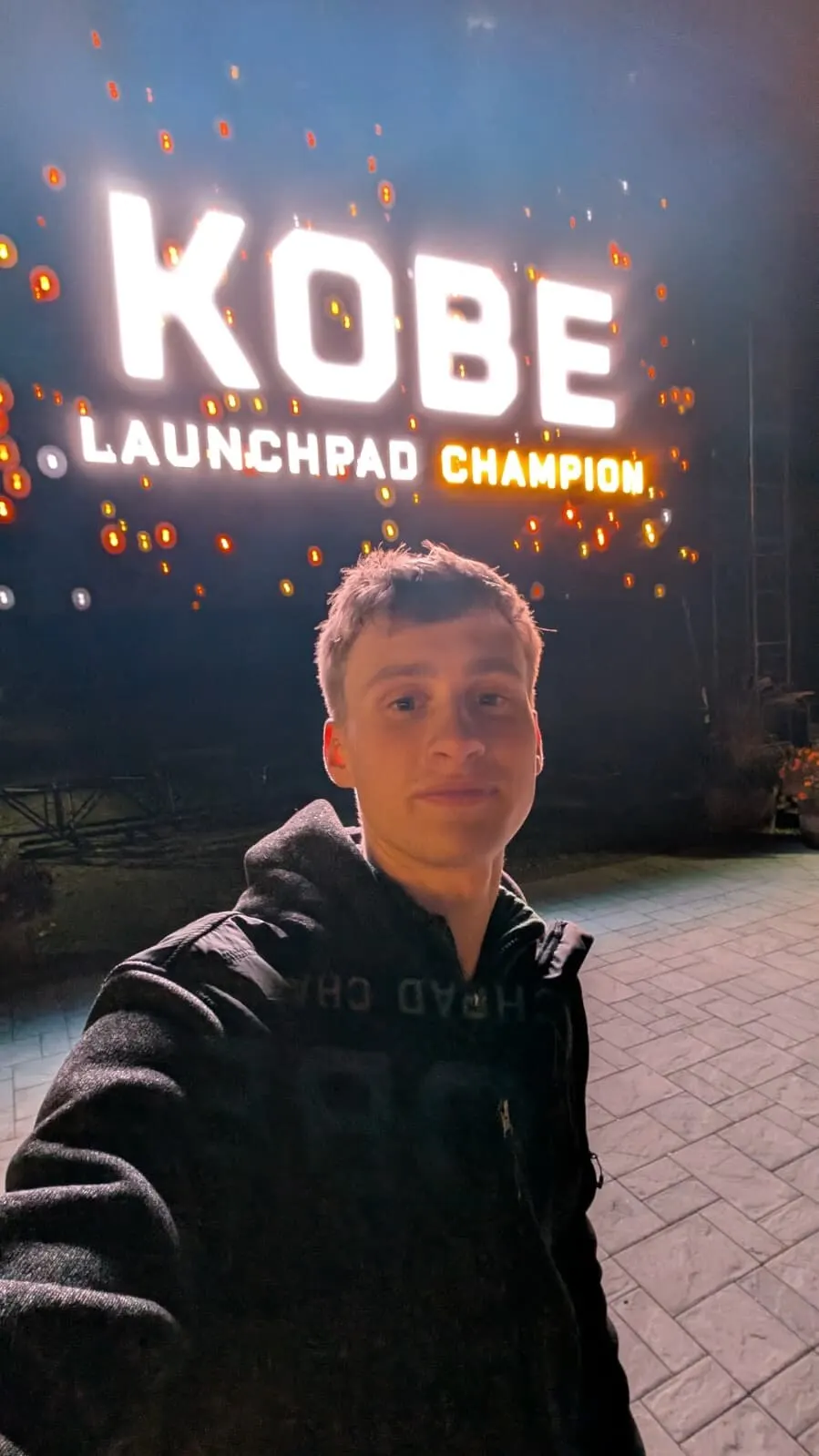
Marvin in front of an illuminated sign reading Kobe, Launchpad Champion
Launchpad, Pennsylvania, October 2026
Path

Four steps, one direction.

  1. Curiosity

    Math olympiads from sixth grade, the entrance exam for a specialized STEM school in Erfurt, the federal computer-science competition.

  2. Competition

    Thirteen years of karate. A CNN written from scratch won the Thuringian round of Jugend forscht and a special prize at the national final (2024).

  3. Building

    A winning team at the first Bundesliga Hackathon (2025). Then production code: Founding Engineer at Kobe AI, and a voice agent for 100+ salons at MitJulia (formerly Friseurtelefon).

  4. Impact

    Medical volunteer in Red Cross civil protection since October 2024; a workshop day for 87 eleventh-graders with my scholarship foundation. Skills only count once they work outside your own CV.

How I work

Three habits you can check in the repositories.

  • 3,200 / 0

    result sets checked against an independent re-implementation, 0 deviations

    Evidence before code

    I reproduce a problem on a real transcript and check every configuration before I change anything.

  • 32 in 5 days

    commits on the takeøff website; 477 at Kobe in October 2026

    Focused sprints

    Short, intense build phases with a clear goal, then review and clean-up.

  • 8+

    projects with written agent contracts (AGENTS.md, CLAUDE.md)

    Agents, openly

    I use AI coding agents heavily and say so. The architecture decisions, the test strategy and the review are mine.

Skills

What I build with.

One line and one number per area. The evidence is one click away.

  • AI agents and evals

    267 eval cases, grown from 67 (MitJulia, 2026)

    LLM agents with tools, MCP and voice, plus the evals that keep them honest.

    • Claude Agent SDK
    • OpenAI Agents SDK
    • MCP
    • ElevenLabs
    • Twilio
  • Full-stack TypeScript

    434 + 477 commits at MitJulia and Kobe, 2026

    Production code in two startups: web, backend and an Electron desktop client.

    • TypeScript
    • React
    • Next.js
    • Node.js
    • Hono
    • Electron
  • Python and machine learning

    7 architectures benchmarked in PyTorch (PneuNet)

    From a CNN written from scratch in NumPy to PyTorch benchmarks and YOLOv8.

    • Python
    • PyTorch
    • NumPy
    • OpenCV
    • YOLOv8
    • FastAPI
  • Cloud and data

    100+ Lambda functions in one AWS backend (MitJulia)

    Serverless on AWS and Cloudflare, Postgres with Drizzle, Supabase, SQLite.

    • AWS
    • Cloudflare Workers
    • PostgreSQL
    • SQL
    • Drizzle
    • Supabase
    • Vercel
  • Engineering practice

    1.0 in both Software Architecture and Software Engineering

    Architecture, tests, CI and code review, with AI coding agents under clear contracts.

    • Git
    • GitHub Actions
    • Vitest
    • Playwright
    • Claude Code
  • Processes and requirements

    3 BPMN projects, from interviews to process models

    BPMN 2.0, interviews and requirements, the enterprise view on software.

    • BPMN 2.0
    • Requirements engineering
    • Design thinking
Also
  • Kotlin
  • Jetpack Compose
  • Flutter
  • React Native
  • C++
  • Smalltalk
  • Bash
Show the evidence for all 6 areasHide the evidence
AI agents and evals
A production voice agent for 100+ salons at MitJulia with an eval simulator (67 → 267 atomic cases, GPT-4o-mini as the caller); a six-stage agent pipeline on the Claude Agent SDK at Kobe, co-developed, with a rubric review agent that scores reports on five dimensions (0–3); an MCP server for the Kobe backend; the OpenAI Agents SDK and Realtime API for Voya; a talk on AI hallucination (Biases & Mishaps, 1.3).
Full-stack TypeScript
434 commits in the MitJulia monorepo (Aug – Nov 2026) and 477 commits at Kobe in October 2026: Next.js and React, Node with Hono, Electron, Vite.
Python and machine learning
A CNN with its own backpropagation in NumPy (2023), seven architectures benchmarked in PyTorch, YOLOv8 segmentation on a CPU, and now detection and tracking in the GorillaWatch project.
Cloud and data
An AWS SAM backend with over 100 Lambda functions and 9 DynamoDB tables; Cloudflare Workers in four projects, some with Durable Objects; Postgres and Supabase across several projects, with Drizzle and row-level security at Kobe; SQL, Database Systems I graded 1.7.
Engineering practice
Software Architecture and Software Engineering both graded 1.0 (exam, system demo, code review); design patterns, ADRs and Scrum in the team projects of both courses; CI in a seven-year-old codebase with coverage raised from 84 to 95 percent (team); agent contracts (AGENTS.md, CLAUDE.md) in 8+ projects.
Processes and requirements
BPMN 2.0 in three projects; for the ESN Event Hub five stakeholder interviews that surfaced 15 pain points; Enterprise Applications 1.3; Global Design Thinking Workshop at the HPI d-school 1.0.
Education

HPI Potsdam, and a STEM school in Erfurt before that.

  • Oct 2024 – 2028 (expected)

    B.Sc. IT-Systems Engineering, Hasso Plattner Institute /​ University of Potsdam

    • GPA 1.4
    • 108 ECTS
    • Software Architecture 1.0
    • Software Engineering 1.0
    Show specializations and exchange plansHide details

    GPA 1.4 on the German scale (1.0 is best), 108 ECTS, all exams passed at the first attempt; top grade 1.0 in both Software Architecture and Software Engineering. Specializations: Operating Systems & Information Systems Technology; Software Architecture & Modeling Technology. An exchange semester planned for winter 2027/28 extends the degree to 2028.

  • 2020 – 2024

    Albert-Schweitzer-Gymnasium Erfurt, specialized STEM track

    • Abitur 1.4
    • MINT-EC certificate with distinction
    Show advanced courses and admissionHide details

    Abitur 1.4 with advanced courses in English, mathematics, physics and computer science; MINT-EC certificate with distinction. Admission by written and oral entrance exam.

Languages

Four languages, two of them for work.

  • German native
  • English fluent (C1)
  • Spanish B1
  • French basic (A1–A2, UNIcert I)

CEFR levels (A1 to C2). English C1 without a certificate; French UNIcert I.

Travel

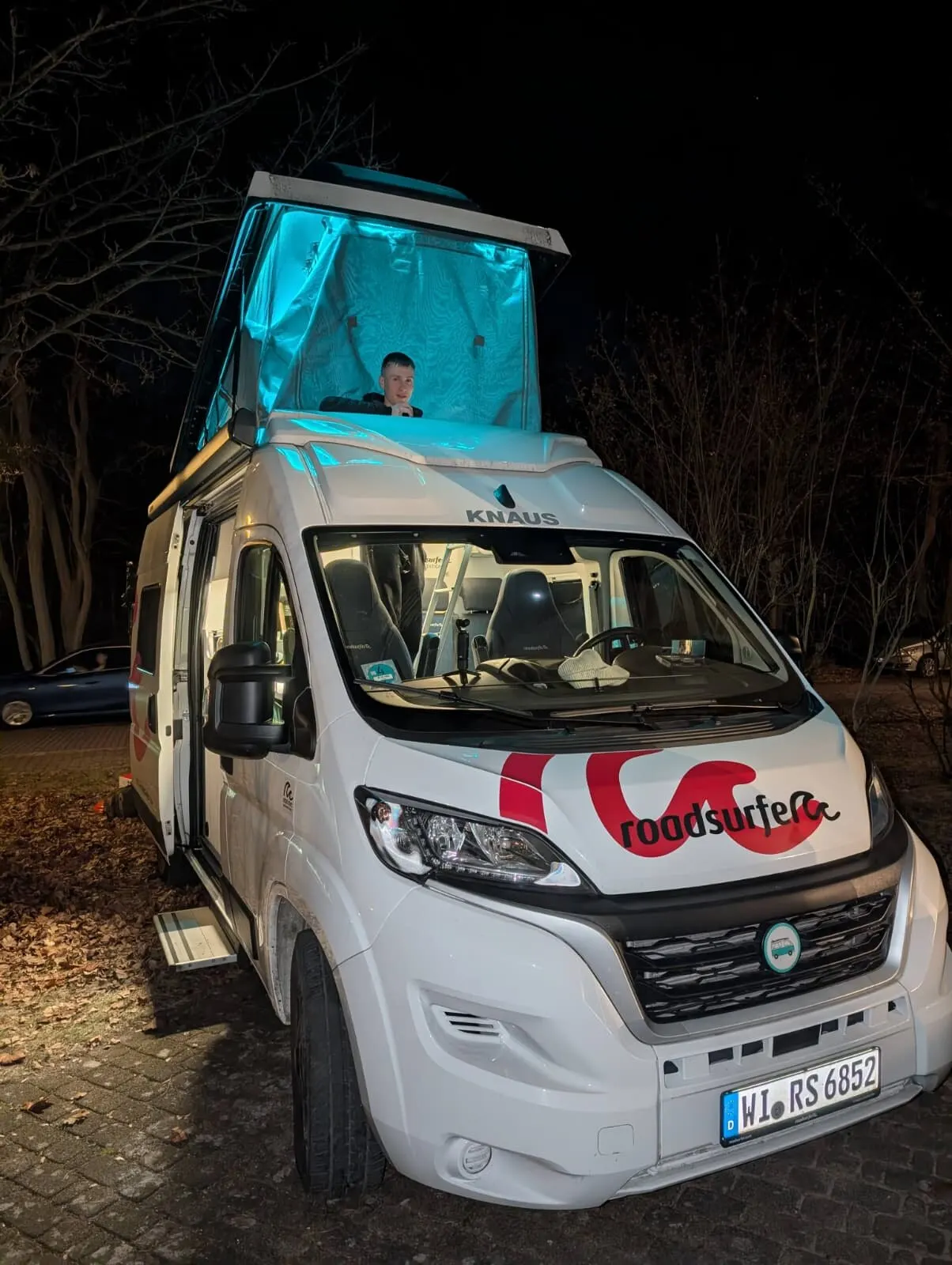
23 countries, and once by van to the Arctic Circle.

Trips tend to turn into tools: a planning site for a group trip, a content system on the road.

Arctic Sprint · 28 Feb – 17 Mar 2026

17 days, 9 countries, one van.

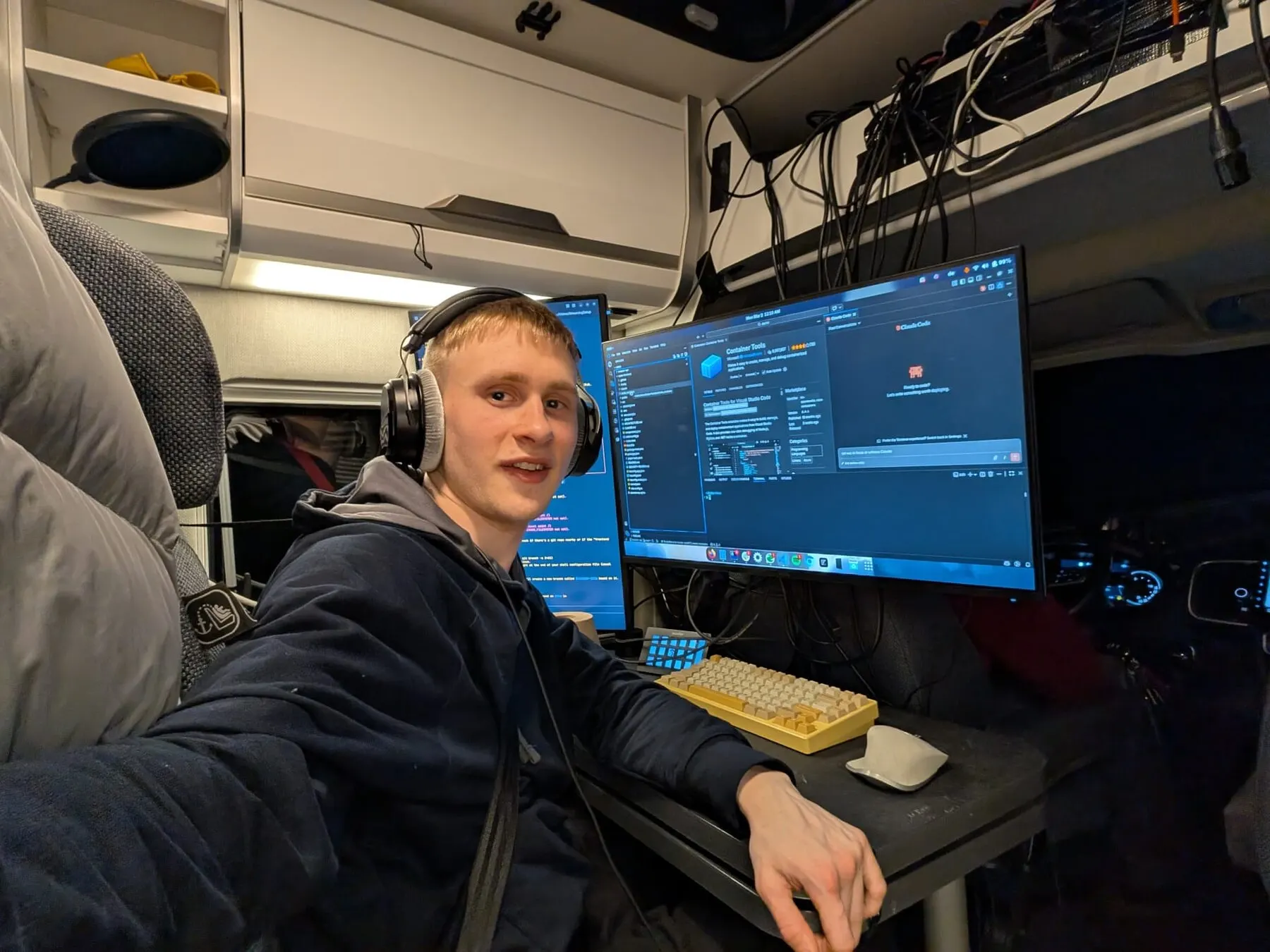
Travel and code: half the time driving, the rest building Kobe on the road.

  1. Berlin
  2. Baltics
  3. Helsinki
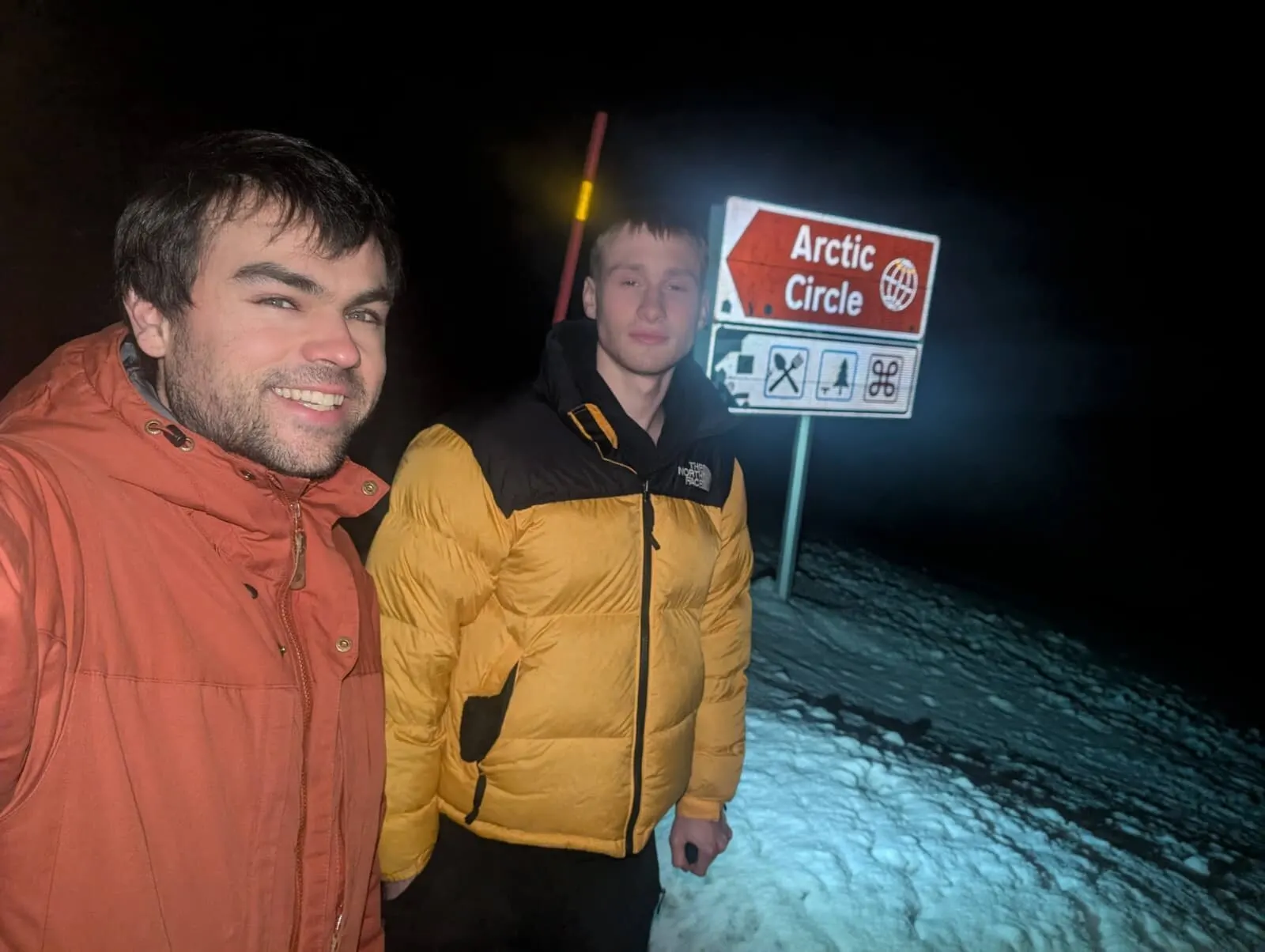
  4. Arctic Circle
  5. Lofoten
  6. Stockholm
  7. Copenhagen
  • A campervan at night with the roof tent lit
    The van
  • Marvin coding at two screens inside the campervan
    Coding on the road
  • Two people at the Arctic Circle sign at night
    Arctic Circle, March 2026
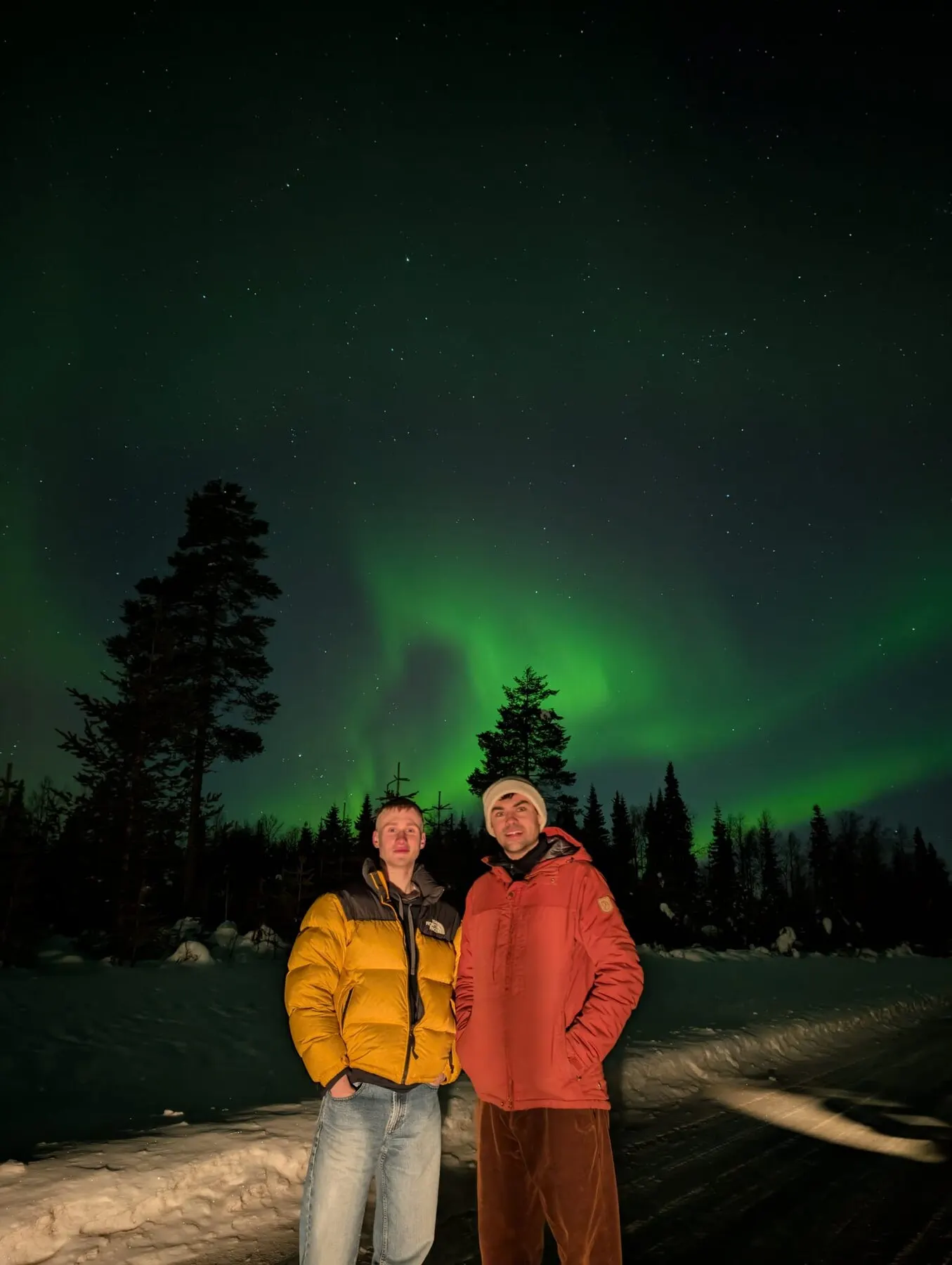
  • Northern lights over a snowy forest, two people in the foreground
    Northern lights
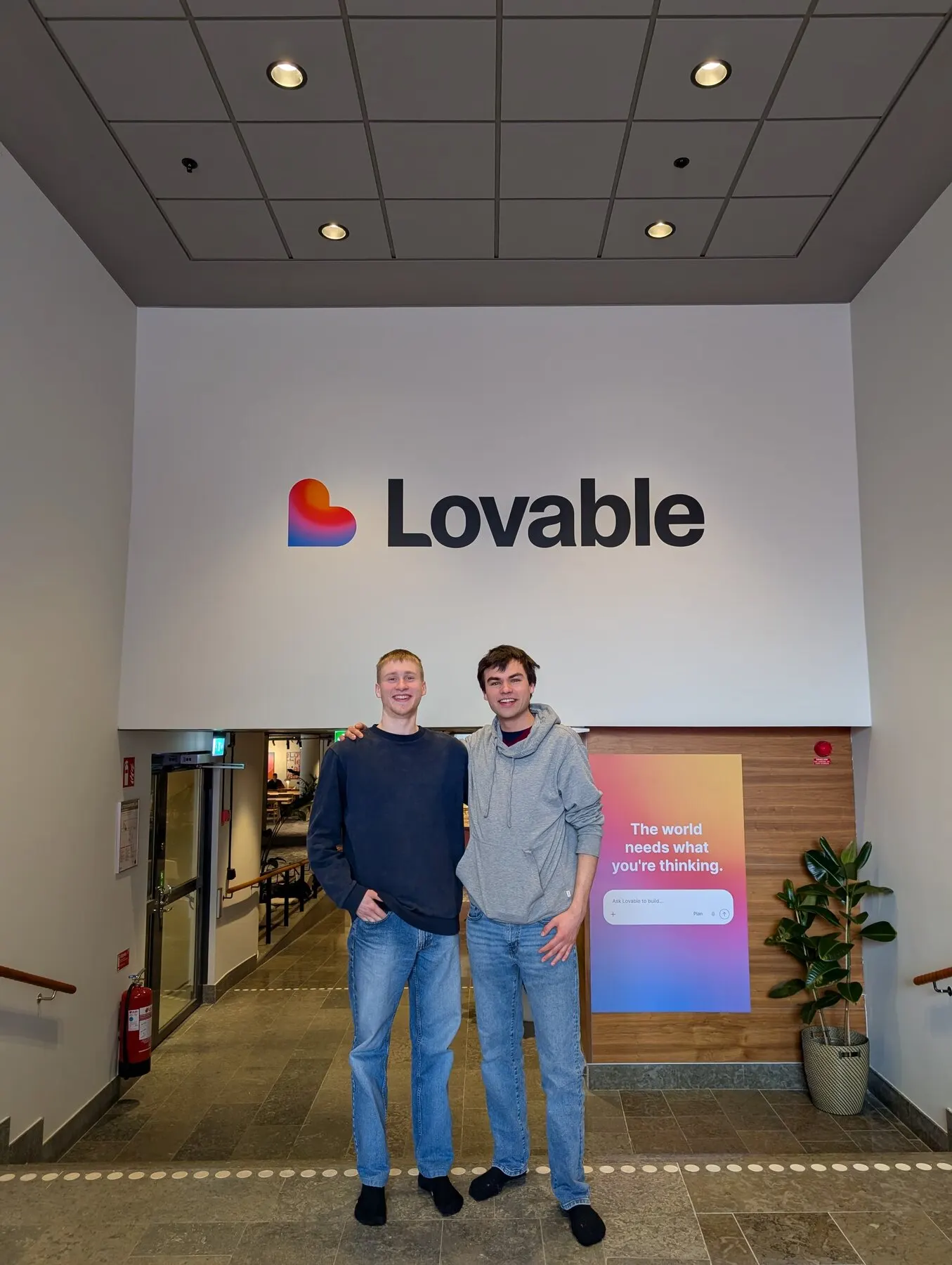
  • Two people in the entrance of the Lovable office
    Lovable office, Stockholm

Northern and Eastern Europe

8 countries · mostly the Arctic Sprint

  • Poland
  • Lithuania
  • Latvia
  • Estonia
  • Finland
  • Norway
  • Sweden
  • Denmark

Southern Europe

6 countries · incl. a self-planned group trip to Sicily

  • Croatia
  • Greece
  • Italy
  • Vatican City
  • Spain
  • Portugal

Western Europe

4 countries

  • Belgium
  • France
  • United Kingdom
  • Ireland

Central Europe and the Alps

3 countries · START Hack, St. Gallen

  • Switzerland
  • Austria
  • Slovakia

Middle East

1 country

  • Israel

North America

1 country · Launchpad, Pennsylvania

  • United States

23 countries in 6 regions, Germany not counted

Beyond travel

  • Karate13 years, 1st Dan
  • Hackathons
  • 3D printing
  • Event techtakeøff collective